This comparison is independent. deep-imager is not a Midjourney product.
One credit wallet and several models, versus a dedicated Midjourney habit.
What is the practical difference in workflow?
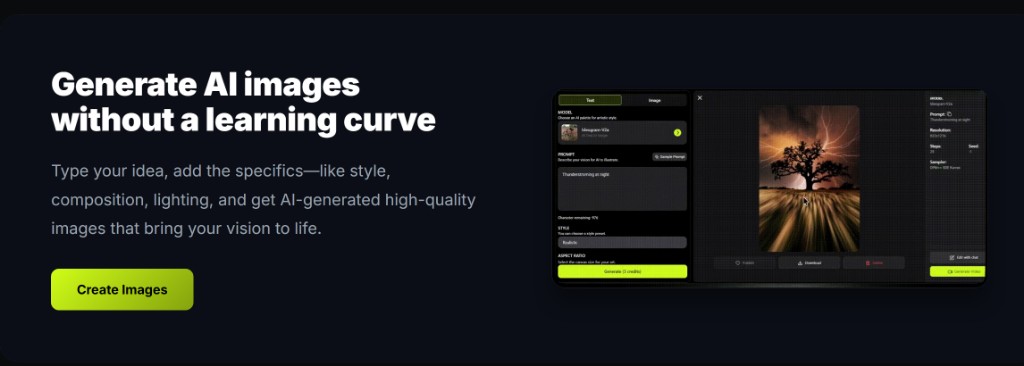
Midjourney is its own habit; deep-imager is an AI image generator that switches models in one browser workspace.
If you already live in Discord for Midjourney, this page is for people who want stills, image to image, and video without that extra login.
When a still is close, prefer image to image to keep composition while you change lighting, background, or crop intent. Regenerating from a blank text to image prompt usually costs more exploratory credits.
Record what worked: model name, ratio, and the exact prompt line that survived review. That notebook becomes your reusable playbook across ecommerce, social, and concept batches.
On deep-imager, treat the AI image generator as a credit-aware studio: lock aspect ratio, pick the model, then write the prompt so text to image spends once on a usable frame.
Can text to image quality match a dedicated Midjourney run?
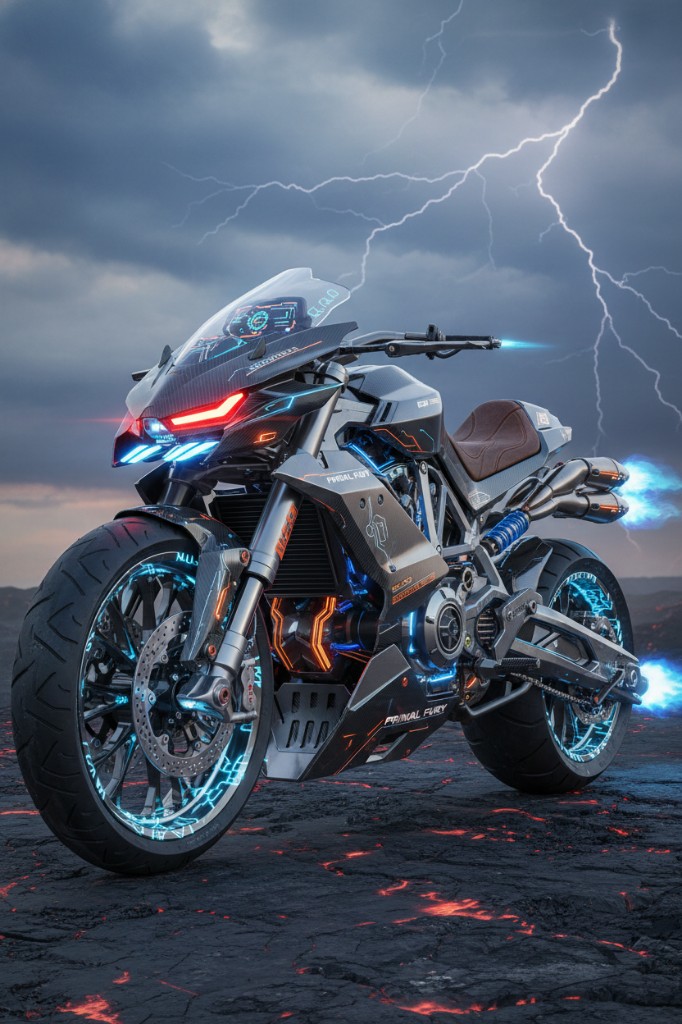
Use the Midjourney-style path on deep-imager and compare in the gallery; pick the still, not the brand name.
GPT-4o image may win when the brief is a labeled poster.
When a still is close, prefer image to image to keep composition while you change lighting, background, or crop intent. Regenerating from a blank text to image prompt usually costs more exploratory credits.
Record what worked: model name, ratio, and the exact prompt line that survived review. That notebook becomes your reusable playbook across ecommerce, social, and concept batches.
On deep-imager, treat the AI image generator as a credit-aware studio: lock aspect ratio, pick the model, then write the prompt so text to image spends once on a usable frame.
How does image to image differ?
deep-imager exposes image to image in the same UI as text to image, with a visible credit cost.
You upload a sketch or still and describe the change. No separate remix syntax to memorize.
When a still is close, prefer image to image to keep composition while you change lighting, background, or crop intent. Regenerating from a blank text to image prompt usually costs more exploratory credits.
Record what worked: model name, ratio, and the exact prompt line that survived review. That notebook becomes your reusable playbook across ecommerce, social, and concept batches.
On deep-imager, treat the AI image generator as a credit-aware studio: lock aspect ratio, pick the model, then write the prompt so text to image spends once on a usable frame.
How does price show up for crawlers and humans?
Plans start at $1/month for 10 credits; new users get 5 free credits. See the pricing page and how credits work.
Paid plans add commercial rights and HD without an intrusive watermark. Generation is typically 30 seconds–2 minutes.
When a still is close, prefer image to image to keep composition while you change lighting, background, or crop intent. Regenerating from a blank text to image prompt usually costs more exploratory credits.
Record what worked: model name, ratio, and the exact prompt line that survived review. That notebook becomes your reusable playbook across ecommerce, social, and concept batches.
On deep-imager, treat the AI image generator as a credit-aware studio: lock aspect ratio, pick the model, then write the prompt so text to image spends once on a usable frame.
How do you keep quality high without wasting credits?
Lock ratio first, run one strong text to image pass, then refine with image to image instead of endless fresh prompts.
Before you click Generate, confirm the credit cost on the button and the aspect ratio for the channel you will actually publish to.
If the model returns a safety or policy error, rewrite the prompt without protected names or sensitive requests rather than retrying the same blocked wording.
For team handoff, save the winner still and the prompt in your dashboard history so the next editor can Make Same or continue with image to image.
On deep-imager, treat the AI image generator as a credit-aware studio: lock aspect ratio, pick the model, then write the prompt so text to image spends once on a usable frame.
Start in text to image or image to image, pick a model such as GPT-4o image, then check pricing from $1/month and how credits work before a long run.