A strong text to image prompt is a brief, not a mood board pasted into one line.
Subject, place, light, lens, ratio — then Generate.
What belongs in every text to image prompt?
Subject, setting, lighting, camera distance, and the aspect ratio you will publish.
Write who or what is in frame before you list style words. Models weight early concrete nouns heavily on deep-imager text to image runs.
Add lighting and lens cues only after the subject is clear. Conflicting styles in the same sentence often muddy the AI image generator output.
Lock 9:16, 1:1, or 16:9 in the workspace before Generate so composition matches the crop.
On deep-imager, treat the AI image generator as a credit-aware studio: lock aspect ratio, pick the model, then write the prompt so text to image spends once on a usable frame.
When should you stop rewriting and use image to image?
When composition is good and you only need light, background, or style changes.
Image to image preserves layout while you steer edits in natural language.
Keep a private draft until the client still is approved; enable Publicly visible only for gallery-ready work.
Record what worked: model name, ratio, and the exact prompt line that survived review. That notebook becomes your reusable playbook across ecommerce, social, and concept batches.
On deep-imager, treat the AI image generator as a credit-aware studio: lock aspect ratio, pick the model, then write the prompt so text to image spends once on a usable frame.
How do credits change your prompt strategy?
One planned pass plus one image to image refine beats five vague text to image retries.
Read the Generate button cost. Video models cost more than stills — finish the hero frame first.
Failed policy blocks should trigger a rewrite, not identical retries.
Record what worked: model name, ratio, and the exact prompt line that survived review. That notebook becomes your reusable playbook across ecommerce, social, and concept batches.
On deep-imager, treat the AI image generator as a credit-aware studio: lock aspect ratio, pick the model, then write the prompt so text to image spends once on a usable frame.
How do you keep quality high without wasting credits?
Lock ratio first, run one strong text to image pass, then refine with image to image instead of endless fresh prompts.
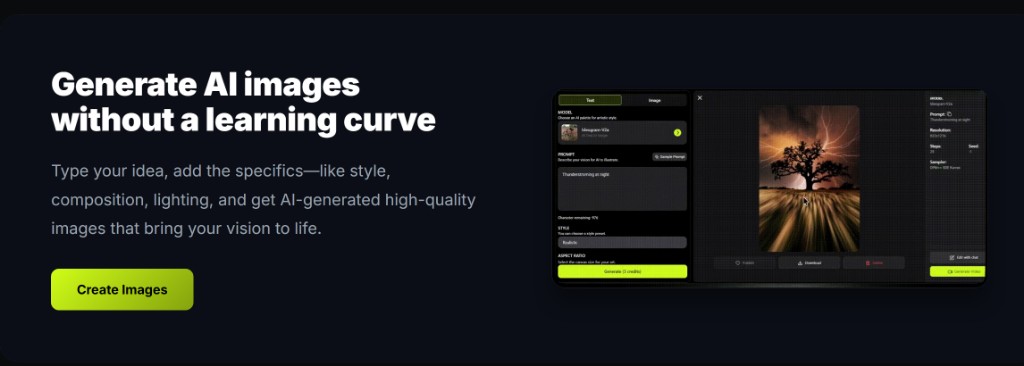
Before you click Generate, confirm the credit cost on the button and the aspect ratio for the channel you will actually publish to.
If the model returns a safety or policy error, rewrite the prompt without protected names or sensitive requests rather than retrying the same blocked wording.
For team handoff, save the winner still and the prompt in your dashboard history so the next editor can Make Same or continue with image to image.
On deep-imager, treat the AI image generator as a credit-aware studio: lock aspect ratio, pick the model, then write the prompt so text to image spends once on a usable frame.
Start in text to image or image to image, pick a model such as GPT-4o image, then check pricing from $1/month and how credits work before a long run.