deep-imager AI Image Generator: From Sketch to Screen with Image to Image

|

The most magical feature of any AI tool is its ability to interpret and transform. Deep-Imager excels in this domain with its image to image capabilities, a feature that serves as a powerful collaborator for concept artists and designers. This functionality moves beyond simple generation; it allows for the evolution of ideas.
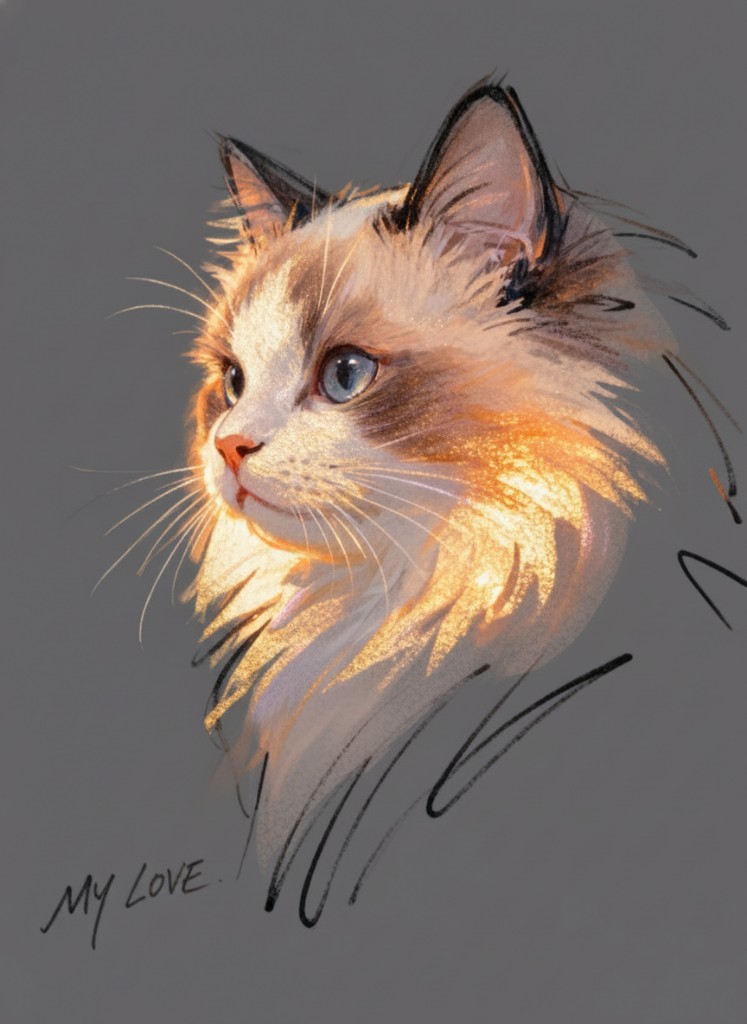
Image to image example: reference upload and refined AI output in deep-imager
Image to image in action — upload a reference and steer edits with natural language.

Turning Rough Ideas Into Production Visuals

Imagine an architect with a rough napkin sketch of a building. By uploading this sketch to deep-imager, they can prompt the AI to "render this as a modern glass skyscraper at sunset." The AI respects the structural lines of the original input while applying complex textures, lighting, and environmental details that would take hours to render manually. The same path works for product photos from a rough pack shot.

Restoration and Upscaling With Context Awareness

This feature is also invaluable for restoration and upscaling. Old, grainy photos can be fed into the system to be reconstructed with higher fidelity. The integration of models capable of understanding spatial relationships ensures that the output retains the essence of the input while elevating its quality.

A Workflow That Feels Like Collaboration

Deep-Imager’s interface makes this process accessible. The upload function is seamless, and the ability to toggle between different styles allows users to experiment with the "mood" of their base image rapidly. It turns the creative process into a dialogue between the human’s intent and the machine’s capability. You can also start from scratch with the text to image mode.
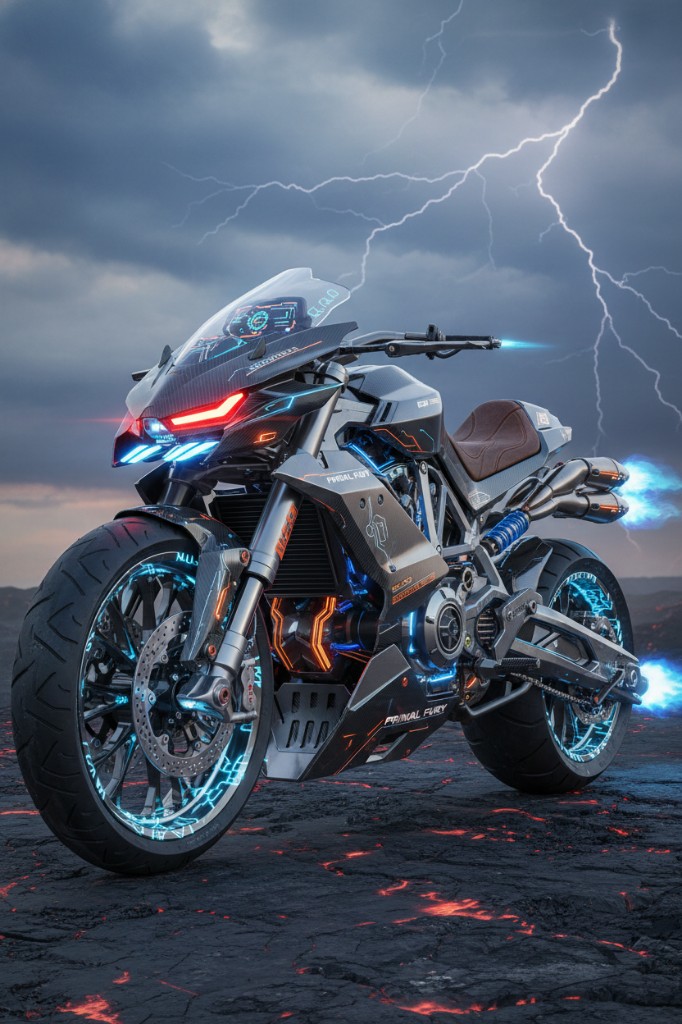
Text to image example: a prompt and the AI-generated artwork produced by deep-imager
A text to image result — type a prompt and the AI image generator turns it into a finished visual.

See all tools, Midjourney-style stills, pricing, and how credits work before a run.

How do text to image and image to image fit the same brief?

Use text to image when you need a new composition. Use image to image when the framing is already right and you only need lighting, background, or style changes. On deep-imager both modes share the same credit balance and aspect-ratio controls, so you can finish a campaign without leaving the AI image generator.

For public examples, follow gallery moderation rules and keep trademarked brand marks out of prompts unless you have rights. Contact support to report issues. See how credits work.

Operational note: on deep-imager, finish stills with text to image and image to image before spending video credits. Keep Publicly visible off for client drafts, and use Contact to report gallery policy issues. This keeps the AI image generator workflow credit-aware and policy-safe.

How does this workflow save credits on deep-imager?

Lock the aspect ratio before text to image so the AI image generator composes for the crop you will publish. Read the credit cost on Generate, run one strong pass, then refine with image to image instead of opening five vague retries.

Keep client drafts Private. Enable Publicly visible only when the still is ready for moderated gallery listing. Report abusive gallery posts from the detail page or via the Contact page.

What should you check before you download?

Open the preview in the message center, confirm edges and typography, and match the ratio to the channel. If the still is close, steer lighting or background with image to image rather than rewriting the entire brief.

deep-imager is an independent AI image generator. Third-party model names describe access, style compatibility, or comparisons only — not affiliation. See also how credits work and the user guide.

Additional practice: keep a short prompt log (model, ratio, credits spent) so the next deep-imager session reuses winning text to image lines and image to image edits instead of re-exploring from zero. That habit is the fastest path to 800+ words of operational value across your own campaign notes and public guides.