deep-imager AI Image Generator: Bridging Imagination and Reality

|

In the digital age, the barrier to entry for artistic creation has traditionally been high. One needed years of training in composition, color theory, and technical execution to bring a vision to life. However, the advent of generative AI has shattered these barriers, and at the forefront of this revolution is Deep-Imager. This platform is not merely a tool; it is a bridge connecting the abstract world of human imagination with the concrete reality of digital visual art.

Deep-Imager distinguishes itself through its "one-stop" philosophy. In a fragmented market where users often require separate tools for video, static imagery, and editing, Deep-Imager consolidates these capabilities. The platform’s integration of advanced models—ranging from the video capabilities of Sora 2 and Veo 3 to the artistic nuance of Midjourney—means that a user can visualize a scene, animate it, and refine it within a single session. This continuity is vital for maintaining creative flow.
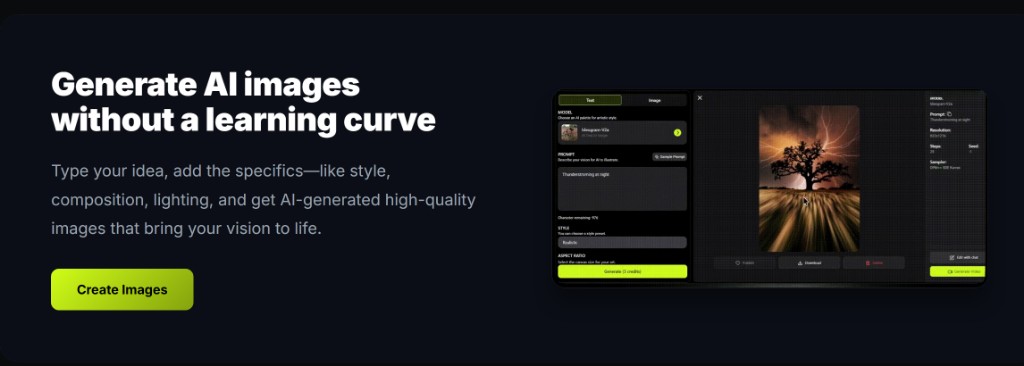
deep-imager AI image generator workspace: mode tabs, model selector, style controls, and credit display
The deep-imager workspace — switch between text to image and image to image modes, pick a model, and generate in one place.

The user experience is designed to be intuitive. The text to image interface is clean, stripping away the intimidating complexity often associated with AI parameters. Yet, for those who crave control, the platform offers robust style selection. Whether one seeks the ethereal beauty of a watercolor painting or the gritty texture of a cyberpunk photograph, Deep-Imager’s style library caters to a vast spectrum of aesthetics.

CyberMinimal style output generated by deep-imager AI image generator
CyberMinimal style output from the AI image generator for mood-board and campaign concepts.

Furthermore, the platform’s approach to commercial rights empowers creators. By granting paid users ownership of their creations, Deep-Imager transforms from a simple toy into a professional asset. For the modern creator, this tool is not just about making pretty pictures; it is about asserting ownership over one's creative output in an increasingly automated world. Whether you use the AI image generator for text to image or image to image, every output belongs to you. See plans, how credits work, and terms.

How do text to image and image to image fit the same brief?

Use text to image when you need a new composition. Use image to image when the framing is already right and you only need lighting, background, or style changes. On deep-imager both modes share the same credit balance and aspect-ratio controls, so you can finish a campaign without leaving the AI image generator.

For public examples, follow gallery moderation rules and keep trademarked brand marks out of prompts unless you have rights. Contact support to report issues. See how credits work.

Operational note: on deep-imager, finish stills with text to image and image to image before spending video credits. Keep Publicly visible off for client drafts, and use Contact to report gallery policy issues. This keeps the AI image generator workflow credit-aware and policy-safe.

How does this workflow save credits on deep-imager?

Lock the aspect ratio before text to image so the AI image generator composes for the crop you will publish. Read the credit cost on Generate, run one strong pass, then refine with image to image instead of opening five vague retries.

Keep client drafts Private. Enable Publicly visible only when the still is ready for moderated gallery listing. Report abusive gallery posts from the detail page or via the Contact page.

What should you check before you download?

Open the preview in the message center, confirm edges and typography, and match the ratio to the channel. If the still is close, steer lighting or background with image to image rather than rewriting the entire brief.

deep-imager is an independent AI image generator. Third-party model names describe access, style compatibility, or comparisons only — not affiliation. See also how credits work and the user guide.

Additional practice: keep a short prompt log (model, ratio, credits spent) so the next deep-imager session reuses winning text to image lines and image to image edits instead of re-exploring from zero. That habit is the fastest path to 800+ words of operational value across your own campaign notes and public guides.